Let me be upfront: I built Traxpense Flow, so I have obvious bias. But I also genuinely respect YNAB. It's helped millions of people get their finances together, and that matters more than any competitive posture.
This comparison exists because people keep asking me "how is this different from YNAB?" — and the honest answer is: they're built for different people solving different problems. Let me explain.
The Core Philosophy Difference
YNAB is a budgeting app. Its entire philosophy — "give every dollar a job" — is about planning how you'll spend money before you spend it. It's proactive, opinionated, and structured around zero-based budgeting. You assign every incoming dollar to a category, and your spending decisions flow from those assignments.
Traxpense Flow is a tracking app. The philosophy is simpler: see what came in, see what went out, know what's safe to spend after taxes. It's reactive, minimal, and built for people who want visibility without a budgeting methodology.
Neither philosophy is wrong. They solve different problems.
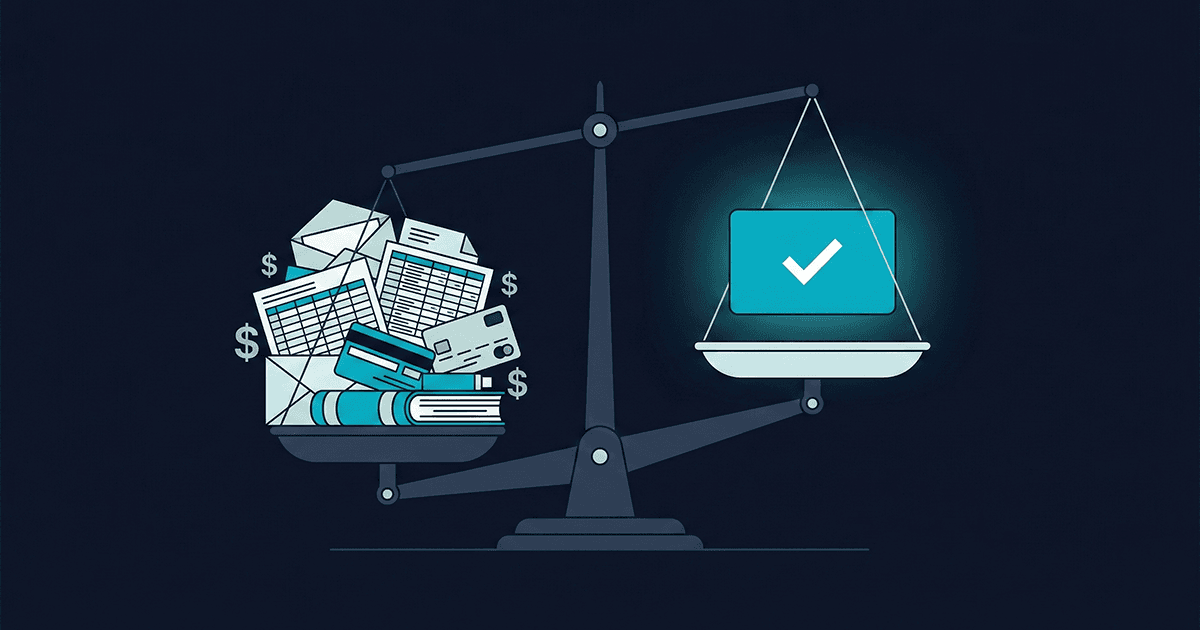
If you think of personal finance tools as a spectrum, YNAB is closer to a financial planner — it tells you how to spend. Traxpense is closer to a dashboard — it shows you what happened and where you stand.
Pricing: The Obvious Difference
| YNAB | Traxpense Flow | |
|---|---|---|
| Monthly price | $14.99/mo | Free (beta) |
| Annual price | $109/yr | Free (beta) |
| Free trial | 34 days | Unlimited |
YNAB's pricing is justified for what it offers — bank syncing, a mature methodology, educational content, and years of development. It's not overpriced. But $180/year is a real commitment, especially for someone who isn't sure budgeting software will stick.
Traxpense Flow is free during beta. Eventually there will be a paid tier for power features, but the core income/expense tracking will likely stay free. The cost structure is different — it runs on Supabase and Vercel free tiers, so the operational cost is near zero.
Bottom line: If budget is a concern (ironic, given the category), Traxpense has no financial barrier to entry.
Learning Curve
This is where the difference feels most real.
YNAB requires a mindset shift. You need to understand envelope budgeting, learn what "age of money" means, set up categories that match your life, and commit to checking in regularly to reconcile transactions. YNAB has a whole education program — live workshops, video series, a podcast — because the methodology genuinely takes time to learn. That's not a criticism; it's by design. The learning is the product.
Traxpense takes about 30 seconds. Sign up, add your first income, add your first expense. The dashboard shows you three numbers: total income, total expenses, and what's safe to spend. There are no categories to set up (unless you want budgets), no methodology to adopt, no workshops to attend.
The trade-off is clear: YNAB's learning curve leads to deeper financial literacy. Traxpense's simplicity means you might miss some nuance. Pick what matters more to you.
Features YNAB Has That Traxpense Doesn't
Let's be honest about what YNAB does that Traxpense doesn't:
Bank Syncing
YNAB connects to your bank accounts and automatically imports transactions. This is a massive convenience feature. You don't have to manually enter anything — transactions just appear, and you categorize them.
Traxpense is entirely manual entry. Every income and expense is typed in by hand. This is intentional (manual entry creates awareness), but it's undeniably less convenient. If you have dozens of transactions per day, manual entry becomes impractical.
Credit Card Management
YNAB has a specific workflow for credit cards. It tracks what you've budgeted to pay off vs. new spending, and helps you avoid the credit card float trap. It's genuinely clever.
Traxpense doesn't distinguish between payment methods. An expense is an expense regardless of whether you paid by card, cash, or carrier pigeon.
Age of Money
YNAB calculates how old your money is — the average time between earning a dollar and spending it. It's a unique metric that helps you understand if you're living paycheck to paycheck or have a buffer.
Traxpense doesn't have this metric. The focus is on flow (income minus expenses), not on the age of your reserves.
Reports and Trends
YNAB has detailed reporting — spending trends over time, net worth tracking, income vs. expense reports. Years of data build a meaningful financial picture.
Traxpense has a basic dashboard with a pie chart for category distribution. Deeper reporting is on the roadmap but doesn't exist yet.
Mature Ecosystem
YNAB has been around since 2004. It has mobile apps (iOS and Android), a browser extension, a Slack integration, an API, and a massive community. The product is polished in ways that take years to achieve.
Traxpense launched in 2026. It's a web app with PWA support. There's no native mobile app, no browser extension, no API. It works, but it's young.
Features Traxpense Has That YNAB Doesn't
YNAB is more feature-rich overall, but Traxpense does a few things differently:
Built-in Tax Calculator
Every income entry in Traxpense can have a tax percentage applied. The dashboard shows your income after estimated taxes, so the "safe to spend" number is actually realistic. For freelancers who owe quarterly taxes, this is a meaningful quality-of-life feature.
YNAB doesn't calculate taxes. You can create a "Taxes" category and manually budget for it, but the system doesn't automatically set aside a percentage of each income entry.
Budget Goals with Income Offsets
Traxpense budgets let you link specific income to specific projects. Earned $3,000 from a client? Link it to a project and see exactly how that income offsets those project expenses. It's particularly useful for freelancers managing per-project profitability.
YNAB's budgets are pooled — all income goes into one bucket, and you allocate from there. That's great for household budgeting but less useful for tracking project-level finances.
Zero Learning Curve
This isn't a feature in the traditional sense, but it's a real differentiator. You can go from "never used Traxpense" to "tracking my first transaction" in under a minute. No tutorial needed, no methodology to learn, no categories to set up.
Privacy-First, No Bank Access
Some people don't want to give a third-party app access to their bank accounts. Traxpense never asks for bank credentials, never connects to financial institutions, and never sees your account balances. Everything is manual, which means everything stays private.
Who Should Use YNAB
YNAB is the better choice if:
- You want a complete budgeting system. You're ready to adopt the zero-based methodology and commit to it. You want to plan your spending, not just track it.
- You have stable, predictable income. Envelope budgeting works best when you know roughly how much is coming in each month. Salaried employees are YNAB's sweet spot.
- You have lots of transactions. Bank syncing becomes essential when you have 50+ transactions per month. Manual entry doesn't scale well.
- You want mature, polished software. YNAB has 20+ years of refinement. It's reliable, well-designed, and backed by a real team.
- You're willing to invest time and money. The $14.99/month is an investment in financial literacy, not just software. The educational content alone has genuine value.
Who Should Use Traxpense Flow
Traxpense is the better choice if:
- You want clarity, not a methodology. You don't need someone to tell you how to budget. You just want to see where your money went and what's left.
- You have irregular income. Freelancers, contractors, gig workers, side hustlers — people whose income doesn't arrive in neat paychecks. The tax calculator alone makes it worth it.
- You want something dead simple. Three steps: add income, add expense, check dashboard. No setup, no categories to configure, no learning curve.
- You don't want to pay for a budgeting app. Traxpense is free. No trial period, no credit card required, no feature walls.
- You prefer manual entry. Some people actually like entering transactions by hand. It creates awareness and intentionality. If that's you, Traxpense respects that choice.
- You care about privacy. No bank connections, no third-party data sharing, no account aggregation.
The Honest Take
YNAB is a better product in most measurable ways. It has more features, more polish, more history, and more community support. If you're looking for the most comprehensive personal finance tool available, YNAB wins.
But "most comprehensive" isn't always what people need.
I built Traxpense because the comprehensive tools didn't work for me. I didn't need a budgeting philosophy. I needed three numbers. I didn't need bank syncing — I had five transactions a week, not fifty. I didn't need a $15/month commitment — I needed something I'd actually use consistently.
The best financial tool is the one you actually use. For some people, that's YNAB with all its power and depth. For others, it's a simple tracker that takes five seconds to log a transaction and shows you a clear picture of your cash flow.
Try both. Use whatever sticks.
Ready to track smarter?
Start tracking your expenses and income for free — no credit card required.
Start for Free →If it's not for you, no hard feelings. I'd rather you use YNAB consistently than use Traxpense once and forget about it. The goal is financial clarity, regardless of which app gets you there.